
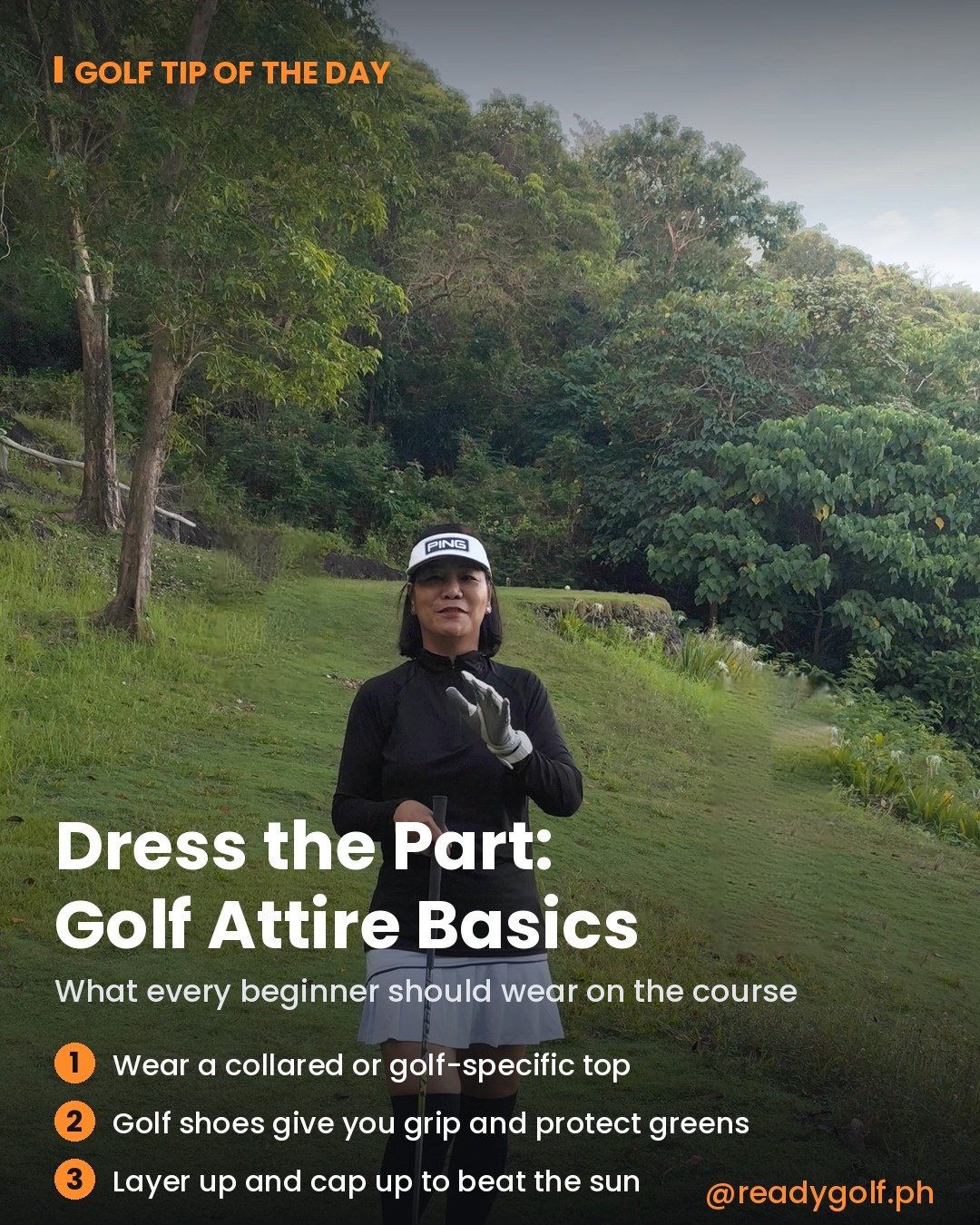
Booking a tee time is the easy part. Figuring out what to actually wear can be the thing that quietly stresses out a first-time golfer more than the swing itself. Show up in the wrong shoes and you might get turned away at the pro shop. Show up underdressed and you’ll spend the whole round more aware of your outfit than your score.
The good news is that golf attire isn’t complicated once you know the handful of rules almost every course follows. It’s less about looking a certain way and more about function, clothes and shoes that move with your swing, protect the course, and keep you comfortable for four hours in the sun. Once you understand the why behind the dress code, getting ready for a round stops being a guessing game.
Why It Matters
Golf has held onto its dress code longer than most sports, and there’s a practical reason for that beyond tradition. Courses are maintained surfaces, greens especially, and what you wear on your feet can genuinely affect playing conditions for everyone who tees off after you. That’s why golf shoes are treated as a requirement rather than a suggestion at most clubs.
The rest of the dress code exists for similar practical reasons. Collared shirts and tailored bottoms became the norm because they photograph well, move well through a golf swing, and set a baseline of presentation that most clubs want to maintain for members and guests alike. Whether or not you personally care about the tradition, showing up dressed correctly is the fastest way to avoid an awkward conversation at the first tee, or worse, being asked to sit out.
There’s also a comfort argument that has nothing to do with the rules. A round of golf usually means several hours outdoors, often in full sun with a fair amount of walking. What you wear directly affects whether you’re focused on your next shot or distracted by sunburn, blisters, or a shirt sticking to your back on the back nine. Dressing right isn’t about vanity, it’s about giving yourself the best chance to actually enjoy the round.
The Fix
Check the dress code and default to a collared or golf-specific top. Most clubs expect a collared shirt for men and a collared shirt, golf dress, or golf-specific top for women, paired with tailored shorts, pants, or a skort. Plain cotton t-shirts, tank tops, and denim are the most common items that get flagged at the pro shop. If you’re playing a new course, a quick check of their website or a call ahead will tell you exactly what’s expected, so you’re not guessing when you arrive.
Invest in real golf shoes. Golf shoes are built with soft spikes or a spikeless grip pattern designed specifically to give you traction during your swing without tearing up the turf the way running shoes or sandals can. Beyond the rules, the grip difference is noticeable the moment you’re standing on a slope or turning through a shot on wet grass, which is exactly the kind of terrain you’ll find on most courses. A pair of golf shoes is one of the few pieces of gear that pays for itself in both compliance and performance.
Dress for the sun, not just for style. A light, breathable long-sleeve layer, a cap or visor, and sunglasses will do more for your round than almost any other clothing choice. Golf offers very little shade for four-plus hours, and sunburn or heat fatigue by hole 14 will affect your swing far more than any outfit choice will affect how you look. Breathable fabrics designed for sport, rather than heavy cotton, also make a bigger difference than most beginners expect.
Together, these three choices cover what almost every course actually checks for and what your body will actually thank you for by the time you reach the clubhouse.
Drill to Practice
Before your next round, build yourself a simple pre-round checklist instead of packing at the last minute. Lay out your collared top or golf dress, tailored bottoms, and golf shoes the night before, the same way you’d prep gear for any other sport. Confirming everything fits and is course-legal ahead of time removes one more thing to think about on the morning of your tee time.
If you’re not sure about a specific course’s dress code, treat “collared top, tailored bottom, golf shoes” as your default and you’ll be correctly dressed at the overwhelming majority of clubs. Add a cap or visor and sunglasses to that same checklist so sun protection becomes automatic rather than an afterthought you remember halfway through the front nine.
Finally, do a short trial run in your golf shoes before wearing them for a full 18 holes, whether that’s a practice bunker session or just walking around at home. New shoes on a five-hour round is a common way beginners end up with blisters that could have been avoided with a single practice wear.
Common Mistakes
The most common mistake is assuming casual athletic wear will pass as golf attire. Running shorts, plain t-shirts, and sneakers might be comfortable, but many clubs will turn you away or ask you to change, especially at more traditional courses. When in doubt, dress slightly more formal than you think you need to.
A close second is underestimating the sun. Beginners often focus entirely on the outfit’s look and skip the cap, sunglasses, or sun-protective layer, only to spend the back nine distracted by glare and heat. Sun protection isn’t optional gear, it’s performance gear.
Wearing the wrong shoes is another frequent misstep, either regular sneakers that offer no grip on slopes and wet grass, or old golf shoes with worn-down spikes that no longer do their job. If you’re serious about playing regularly, golf shoes deserve the same attention you’d give running shoes for a different sport.
Finally, some beginners overdress for the weather out of nervousness about the rules, showing up in heavy layers on a hot day. Golf-specific fabrics are designed to be breathable while still meeting dress code, so there’s rarely a need to sacrifice comfort for compliance.
FAQ
Do I really need golf shoes for my first round?
Most courses will let you play your first round in clean athletic shoes if you don’t own golf shoes yet, but call ahead to confirm. If you plan to keep playing, golf shoes are worth buying early since they affect both your grip and your standing with the course.
What counts as a “golf-specific” top if I don’t own one yet?
Any collared shirt in a breathable athletic fabric is a safe choice. Many sportswear brands sell polos and golf tops that work for both the course and everyday wear, so it doesn’t have to be a golf-only purchase.
Are shorts allowed, or do I need pants?
Tailored shorts at a reasonable length are accepted at most courses, though some clubs, especially more traditional ones, require a minimum length or don’t allow shorts at all for certain tee times. Checking the specific course’s policy avoids surprises.
Is it okay to wear a cap indoors at the clubhouse?
Most clubs are fine with caps and visors on the course itself but ask that you remove them inside the clubhouse or dining areas, similar to general dining etiquette. It’s a small detail worth knowing before you walk in after your round.
Key Takeaways
Golf attire isn’t about looking a particular way, it’s about function: clothes that move with your swing, shoes that protect the course and keep you steady, and enough sun protection to make it through a full round comfortably. Default to a collared top, tailored bottoms, and real golf shoes when you’re unsure of a course’s specific dress code, and treat sun protection as part of your gear rather than an extra. Get dressed right once and it stops being something you think about at all, leaving you free to focus on the round itself.
#ReadyGolfPH #GolfTips #GolfAttire #BeginnerGolfer #GolfEtiquette #GolfPhilippines